
MTBF (Mean Time Between Failures) is one of the most frequently cited reliability metrics in industrial electronics. However, when it comes to industrial LCD screens, MTBF is often misunderstood or oversimplified.
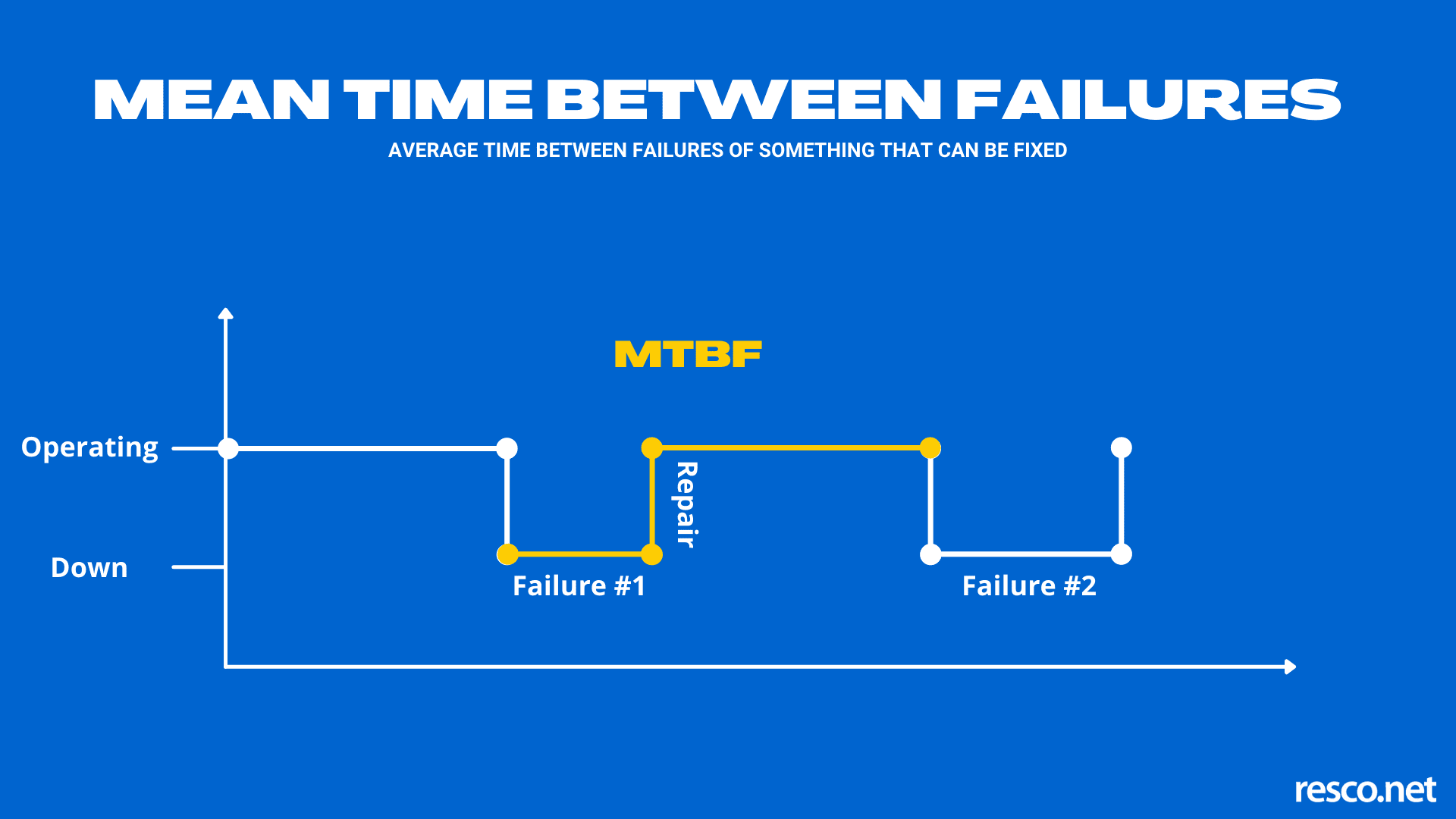
For systems designed for continuous operation, understanding how MTBF is defined and measured is essential when selecting an industrial LCD screen with predictable long-term performance.
This article explains what MTBF really means in the context of industrial LCD screens, how it is calculated, and how engineers should interpret MTBF data during system design and procurement.
To properly apply MTBF in industrial display selection, we must first clarify what the metric does—and does not—represent.
Claim: MTBF is a statistical reliability indicator, not a guaranteed operating lifespan.
Table of Contents
- What Does MTBF Mean for Industrial LCD Screens?
- How Is MTBF Calculated for Industrial Displays?
- Which Components Influence LCD MTBF the Most?
- How Should Engineers Use MTBF in Design Decisions?
What Does MTBF Mean for Industrial LCD Screens?
MTBF represents the average time between failures for a population of devices operating under defined conditions. For industrial LCD screens, it reflects the statistical reliability of the display system rather than the lifespan of a single unit.
Key points often misunderstood include:
- MTBF does not predict when a specific display will fail
- It assumes operation under specified conditions
- It applies to large sample populations
- It does not include wear-out mechanisms such as backlight aging
In industrial contexts, MTBF is best used as a comparative metric rather than an absolute guarantee.
Claim: MTBF compares reliability levels—it does not define service life.
How Is MTBF Calculated for Industrial Displays?
MTBF for industrial LCD screens is typically calculated using component-level failure rate data combined with system configuration. Standards such as MIL-HDBK-217 or similar reliability models are often referenced.
The calculation process generally involves:
- Identifying critical components (TFT panel, backlight, power circuits)
- Applying failure rate models for each component
- Adjusting for operating temperature and environment
- Aggregating failure rates at the system level
Because industrial LCD screens operate continuously, thermal and electrical stress factors significantly influence MTBF outcomes. These considerations directly connect to the 24/7 operation challenges discussed in How Do Industrial LCD Screens Handle 24/7 Continuous Operation? .
Claim: MTBF calculations are only as accurate as their environmental assumptions.
📊 Evaluating reliability data for a long-lifecycle project? Review XIANHENG’s industrial LCD screen solutions with validated reliability metrics .
Which Components Influence LCD MTBF the Most?
While an industrial LCD screen appears as a single component, its MTBF is influenced by multiple sub-elements. Understanding which components dominate failure rates helps engineers focus on risk reduction.
Key MTBF contributors include:
- Power management and voltage regulation circuits
- Backlight drivers and LEDs
- Signal processing ICs
- Interconnects and connectors
Backlight lifetime, often specified separately, should not be confused with MTBF, as it represents gradual performance degradation rather than sudden failure.
Claim: MTBF is driven more by electronics than by the LCD panel itself.
How Should Engineers Use MTBF in Design Decisions?
MTBF should be used as one input among many when evaluating industrial LCD reliability. It is most effective when combined with environmental testing, aging data, and supplier experience.
Best practices include:
- Comparing MTBF values under similar conditions
- Evaluating derating and thermal margins
- Considering field failure data when available
- Aligning MTBF targets with system-level reliability goals
MTBF analysis also supports long-term availability planning, reinforcing themes discussed in Why Is Long-Term Availability Critical for Industrial LCD Screen Selection? .
Claim: MTBF is a decision-support tool, not a standalone qualification criterion.
📩 Need help interpreting MTBF data for your industrial display project? Contact XIANHENG’s engineering team for application-specific reliability guidance.
Conclusion
MTBF is a valuable metric for assessing industrial LCD screen reliability when properly understood and applied. By recognizing its statistical nature and limitations, engineers can use MTBF to support informed design and procurement decisions.
As part of the Reliability Cluster within XIANHENG’s industrial LCD screen knowledge framework , this article strengthens the foundation for evaluating long-term industrial display performance.


